
When Dining Furniture Helps Improve Home Functionality
Key Takeaways
-
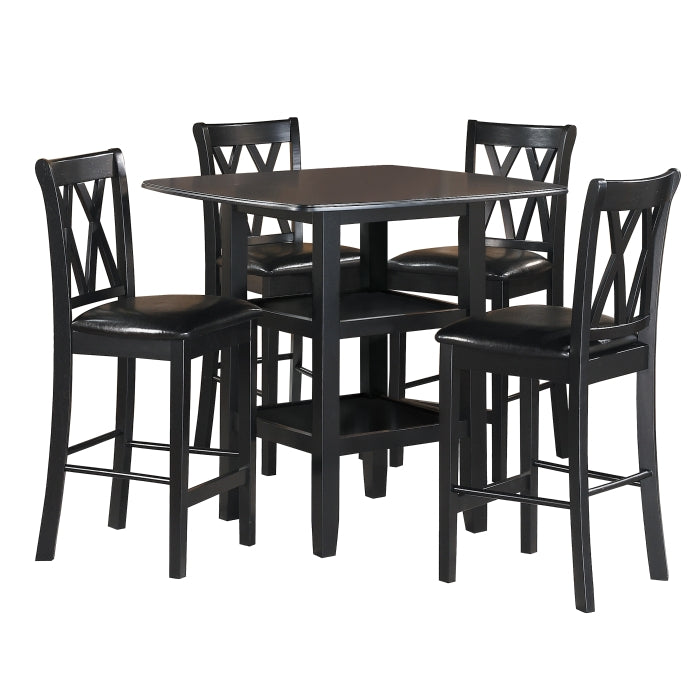
A well-chosen dining table and dining chairs can transform a basic dining room into a multi-functional hub for eating, working, studying, and entertaining.
-
In 2026 interior design trends, dining furniture is expected to support open concept layouts, storage needs, and daily life, not just special occasions.
-
The right size, shape, and materials of dining tables directly affect how easily people move, sit, and use the space day to day.
-
Layered textures, lighting, and one or two extra pieces of furniture, like a sideboard, can dramatically increase both function and aesthetic impact.
-
Even small dining rooms and apartment dining spaces can feel practical and welcoming with smart, compact furniture choices.
Why Functional Dining Furniture Matters in Today’s Homes
Since around 2020, dining rooms have quietly evolved from formal, occasionally-used spaces into hardworking hybrid zones. Remote work, homework, hobbies, and meals now share the same surface. Interior design surveys indicate that over 70% of households repurposed their dining areas during this period, and that shift has become permanent.
A single piece of furniture, the dining table, often becomes the busiest surface in the home. This is especially true in small apartments and open concept layouts where a dedicated dining room simply doesn’t exist. The dining table plays a central role in connecting daily routines: breakfast at 7 a.m., laptop sessions at 10 a.m., kids’ projects at 4 p.m., and family dinner at 7 p.m.
Current 2026 interior design thinking emphasizes flexible dining furniture, durable surfaces, and smart seating that adapts to changing routines and family sizes. Choosing the right dining furniture transforms an eating area into a versatile hub that supports daily work, hosting, and relaxation. The rest of this article will show you specific ways dining furniture choices can actively improve home functionality, not just fill space.
Defining the Role of Your Dining Space
Functionality starts with deciding how your dining room or dining nook needs to work in daily life. Before purchasing dining furniture, it’s essential to clarify how the dining area will be used, as this will dictate the necessary features and size of the furniture.
Ask yourself: Is this space mostly for everyday meals, mostly for entertaining, or a multi-purpose mix that includes remote work and studying? Dining rooms are increasingly being used for multiple purposes, such as homework stations, craft areas, and work zones, reflecting a shift in how families utilize their spaces.
Smaller homes and apartments often need a dining space that doubles as a home office, while larger homes may support a more traditional dedicated dining room plus casual eating areas. List your top three uses (family dinners, homework, board games) to guide choices around dining tables, dining chairs, and storage furniture. This clarity helps determine whether you should prioritize extendable dining tables, wipe-clean materials, or extra seating flexibility.
Choosing Dining Tables That Support Real-Life Function
The dining table is the focal point of any dining room design, influencing the arrangement of chairs, lighting, and decor around it. Its dimensions and shape change how the whole living space works. Choosing the right dining table shape is important; rectangular tables suit longer rooms, while round tables work well in compact spaces, accommodating different seating arrangements and social interaction.
Sizing guidance: Proper spacing around the dining table is crucial for functionality. It is recommended to maintain at least 90-120 cm (about 36 inches) of clearance from the table edge to walls or other furniture to allow for comfortable movement. Allow at least 60 cm of table edge width per person for comfortable seating. Consumer research shows that 62% of complaints about new tables cite inadequate circulation space.
Shape and function considerations:
-
Round and oval tables: Ideal for tight or square rooms and open concept spaces where smooth edges improve traffic flow and feel more inviting
-
Rectangular tables: Best for long rooms or when you routinely seat 6-8 people, aligning naturally with kitchen flows
-
Extendable tables: A practical choice for multifunctional spaces, allowing homeowners to adapt their dining area for both everyday use and larger gatherings
Material choice affects daily function directly. For families with young children or pets, scratch-resistant finishes, tempered glass, or easy-to-wipe surfaces are more functional than delicate fabrics or soft woods. Solid hardwoods with protective finishes resist dents from daily use, while ceramic tops handle hot dishes without scorching.
Leg and base design matters too. Pedestal bases improve legroom and seating capacity, offering 15-20% more flexible seating than four-legged designs. In 2026 interior design trends, simple, timeless table silhouettes in warm wood or matte finishes are favored because they work across styles and last longer functionally.
Dining Chairs: Comfort, Ergonomics, and Everyday Usability
Comfortable seating encourages longer meals, better conversations, and more productive work or study sessions at the dining table. When chairs support the body well, people actually want to gather, turning everyday moments into meaningful connection time.
Ergonomic guidelines: Suggest a seat height about 10-12 inches (25-30 cm) lower than the dining table height. Allow about 21-24 inches (53-61 cm) of width per chair for comfort. Chairs with supportive lumbar curves reduce back strain by 15-20%, encouraging family interaction or focused work.
Material trade-offs:
|
Chair Type |
Best For |
Maintenance |
|---|---|---|
|
Upholstered dining chairs with performance fabric |
Family homes needing comfort and durable upholstery |
Wipe clean easily with soap |
|
Wood or molded plastic |
High-traffic dining rooms, rentals |
Quick wipe-down, instant cleaning |
|
Mixed materials (wood frames, padded seats) |
Balance of comfort and easy care |
Moderate maintenance |
Armchairs at the ends of larger dining tables add luxury, while armless chairs or a bench work better for tighter dining spaces and apartment layouts. Mixing different chair styles and materials can create visual interest while maintaining a cohesive look through a consistent color palette.
Chairs with supportive backs and gentle curves align with current interior design trends, making the dining room feel inviting while remaining practical. Performance fabric options with 100,000+ double-rub ratings resist stains and handle the chaos of real life with kids and pets.
When One Extra Piece of Furniture Transforms Function
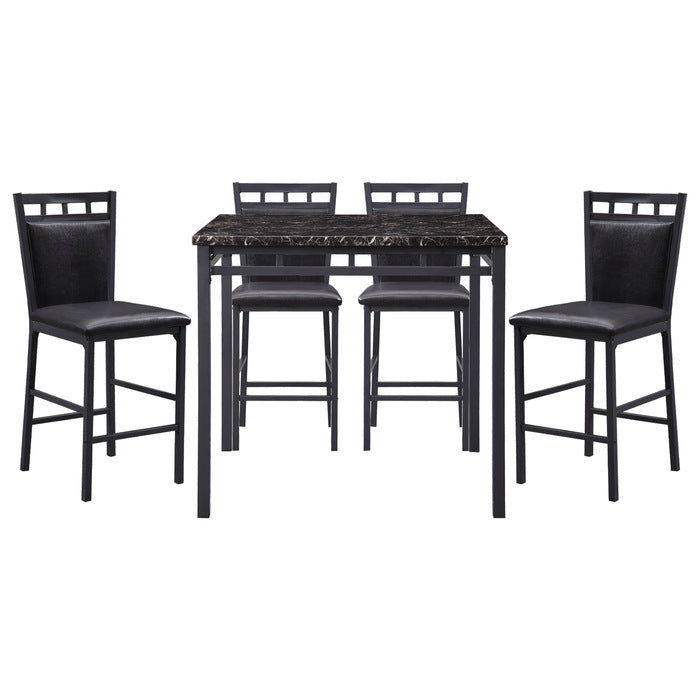
An additional piece of furniture, like a sideboard, buffet, or narrow cabinet, can dramatically increase storage and usability in a dining room. Storage furniture plays a crucial role in maintaining tidiness and style by providing accessible storage for serving pieces and table linens.
Many modern dining pieces feature built-in storage to conceal clutter, keeping the dining table surface clear for immediate use. Studies show that clutter reduces perceived functionality by 35%; one well-placed cabinet changes everything.
Practical uses for storage furniture:
-
Storing table linens, extra plates, and serving dishes
-
Hiding kids’ craft supplies and board games
-
Concealing work materials between laptop sessions
-
Displaying wine, glassware, or family photos
Sideboards measuring 150-200 cm wide offer substantial storage for plates, serving bowls, and linens, combining closed cabinets for bulky items and drawers for smaller essentials. Maintaining at least 90 cm of clearance between the table edge and the front of any sideboard ensures that doors and drawers can open fully without obstruction.
In open concept homes, a low cabinet behind the dining table can act as a subtle room divider, improving traffic flow between the kitchen, dining zone, and living areas. Integrated storage benches offer hidden storage, perfect for stowing seasonal table linens, board games, or kids’ craft supplies.
Layout and Flow: Making the Dining Room Work With the Rest of the Home
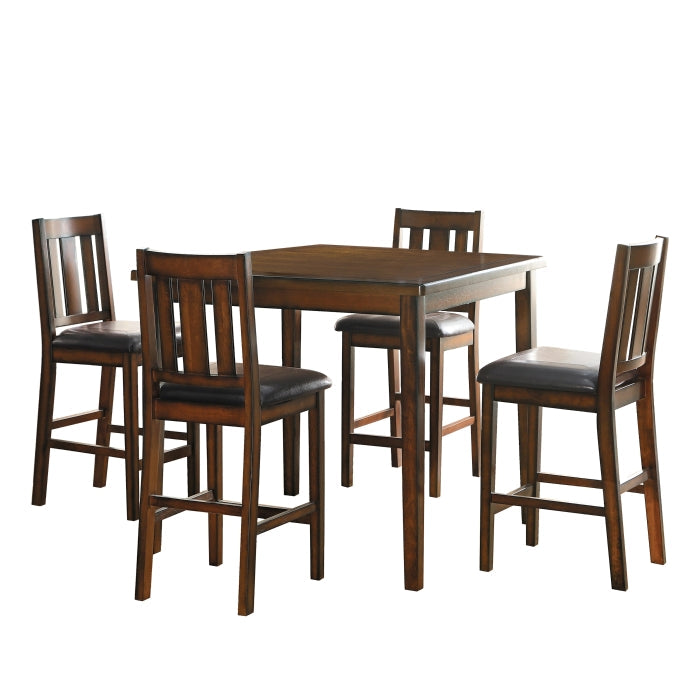
A good dining layout respects natural walking routes between the kitchen, dining area, and living space, especially in open concept homes. In open-concept homes, a dining set can define a specific zone, separating the “work” or “eating” space from the living area, making the space feel more intentional.
Layout guidelines:
-
Keep at least 36-42 inches (91-107 cm) of circulation space on the main sides of the table
-
Avoid blocking doors, windows, or primary pathways
-
Position the dining table as a natural focal point under statement lighting
Specific scenarios:
|
Room Type |
Solution |
|---|---|
|
Narrow rooms |
Use a rectangular table with a bench or slim chairs on one side to improve traffic flow |
|
Open concept living |
Align the dining table under a pendant light and on a rug to visually define the dining zone |
|
Small apartments |
Float a round table slightly away from the longest wall to feel intentional rather than cramped |
Properly scaled dining furniture helps the whole floor plan feel calmer and more functional, reducing cluttered corners and awkward gaps. Using a compartmentalized tray in the center of the table keeps necessary dining items neatly contained and easy to move.
Try this: use painter’s tape on the floor to outline potential table sizes before buying. Test chair movement and walking routes in real time; this simple exercise reveals whether your space feels open or cramped.
Lighting, Layered Textures, and Aesthetic Impact That Support Function
Good lighting and layered textures make a dining room more usable and more pleasant, encouraging people to actually gather there. The right light fixture anchors the zone even in open concept rooms.
Practical lighting tips:
-
Hang pendant lighting fixtures or chandeliers so the bottom sits 75-90 cm above the table surface to maintain sightlines and create an intimate atmosphere
-
Choose warm white bulbs in the 2,700-3,000K range to create a flattering ambiance that enhances both food and faces during meals
-
Install dimmers wherever possible to allow for adjustable lighting, bright for homework, softer for dinner
Center the main fixture over the dining table to anchor the dining zone visually, even when the room flows into other areas.
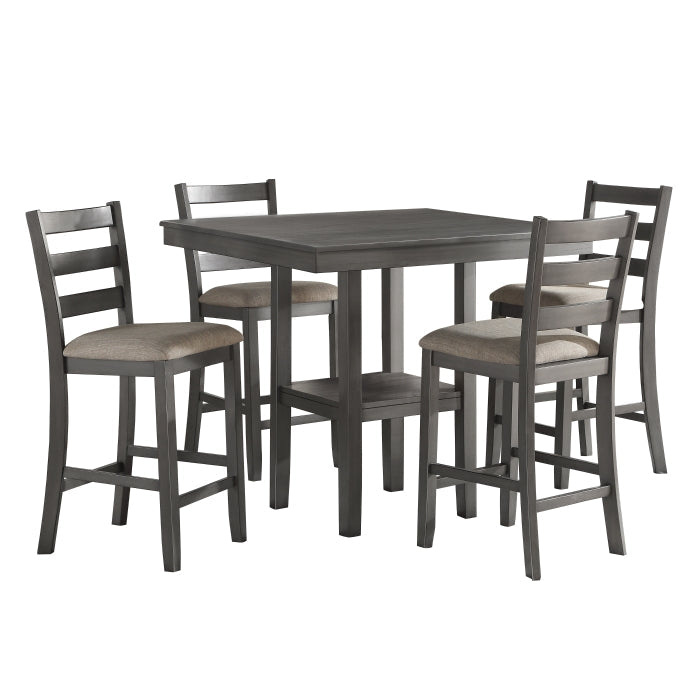
Layered textures create visual appeal and hide everyday wear better than one flat surface. Mix wood tables, fabric chairs, metal accents, woven runners, and soft rugs. In 2026 interior design trends, layered textures and warm finishes are favored because they make multipurpose spaces feel softer and more livable, and the aesthetic impact supports daily use.
Rugs under the dining table should be large enough that chairs stay on the rug when pulled out, improving comfort and protecting floors. This detail adds visual weight and defines the dining area within open plans.
Multi-Use Dining Rooms: From Workstations to Craft Tables
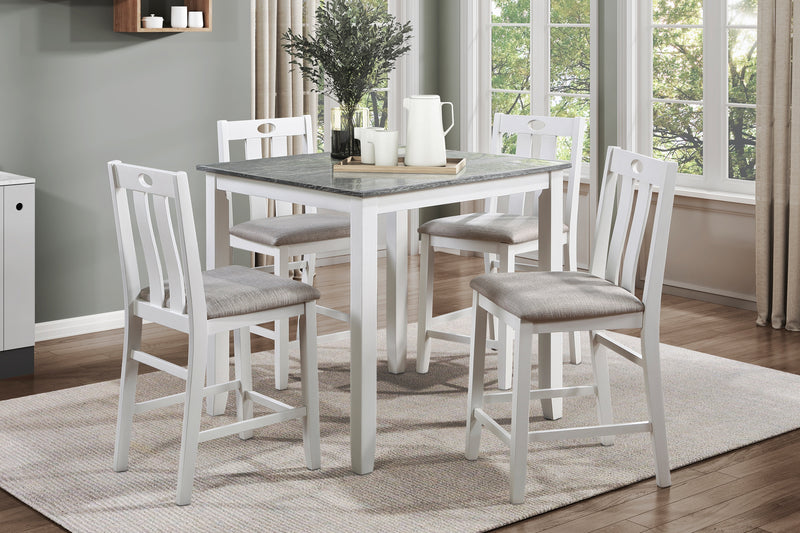
Since 2020, surveys show that 55% of homes regularly use their dining table as a home office, study zone, and craft station. Dining tables frequently double as home offices or craft stations, and sturdy construction provides a reliable foundation for professional workstations or intensive school projects.
Recommended materials for multi-use:
-
Solid or veneered wood with protective finishes
-
Ceramic-topped dining tables that handle laptop heat
-
High-pressure laminates that resist scratches and spills
Choose seating that works for longer sessions, dining chairs with supportive backs and cushioned seats, over rigid or backless stools for remote work. Select dining tables with built-in drawers or shelves to reduce clutter between uses.
Strategies to keep the room functional:
-
Use a nearby cabinet or baskets to store laptops, chargers, and stationery when not in use
-
Consider a fold-away caddy for art supplies or homework materials that can be moved off the table before meals
-
Establish a quick reset routine, clearing the table takes two minutes, and preserves the space for family life
A well-chosen table and storage piece allow the dining room to switch roles quickly without feeling permanently cluttered. The dining space becomes just a place where life happens naturally, not a zone of constant chaos.
Small Dining Spaces and Apartment Solutions
Many modern homes and city apartments have very limited dining rooms or just a dining nook off the kitchen. A small dining room doesn’t mean sacrificing function; it means choosing smarter.
Space-saving furniture options:
-
Round or square drop-leaf dining tables that expand only when needed
-
Benches that tuck fully under the table and stackable dining chairs for occasional extra seating
-
Narrow rectangular tables pushed against the longest wall for everyday use, pulled out for guests
Vertical space optimization using hutches, baker’s racks, and floating shelves is particularly effective in small apartments. Wall-mounted shelving or a shallow console can replace bulky buffets in tight spaces while still adding storage for serving dishes and glassware.
Mirrored or light-toned dining furniture, plus simple lines and minimal clutter, helps small spaces feel more open without sacrificing function. Studies show that light finishes expand perceived volume by about 20%. The visual weight of furniture matters in compact rooms; choose pieces with slim legs and open bases.
Care, Durability, and Long-Term Functionality
Functional dining furniture must withstand daily use for years, not just look good the first month. Investing in quality now reduces replacement costs later.
Quick care tips:
-
Daily wipe-downs with a soft cloth prevent 90% of finish degradation
-
Use placemats for hot serving dishes (most tables tolerate about 250°F max)
-
Clean spills promptly to protect wood or fabric
Check chair joints and table hardware periodically to keep everything stable and safe, especially in busy family homes. Architectural details like corner bracing and quality hinges on extendable tables signal durability.
Updating textiles, seat cushions, rugs, and window treatments can refresh a dining room’s look in 2026 without replacing the main pieces. Choosing durable surfaces and easy-care fabrics at the start preserves both appearance and function for 10-20 years, letting you adapt to varying heights, family changes, and evolving interior design trends.
Conclusion: Dining Furniture as a Quiet Engine of Home Life
The right dining table, dining chairs, and one or two supporting pieces of furniture can significantly improve how a home functions every day. Dining furniture is never just a piece of furniture; it’s the infrastructure that supports meals, work, homework, crafts, and connection.
Dining rooms and dining spaces now serve as daily hubs for everything from everyday meals to board game nights to intense deadline projects. Your furniture choices should support that rhythm, not fight against it.
Take a week to observe how you actually use your dining area. Measure, note the bottlenecks, and adjust size, seating, storage, or lighting accordingly. Treating the dining area as a functional priority, not an afterthought, makes the whole home feel more organized, more welcoming, and more aligned with how you really live.
FAQ
How big should my dining table be for my room to stay functional?
After measuring your dining room, subtract about 72 inches (36 inches on each side) from the room’s length and width to find a comfortable maximum table size. This clearance ensures people can pull chairs out and walk behind them without bumping into walls or other furniture. For example, in a room that is 12 feet by 10 feet, a table around 6 feet by 3 feet works well for everyday use. If chairs constantly hit walls or you have to turn sideways to pass, the table is likely too large.
What dining table shape works best in an open concept home?
Rectangular tables work well in long, open concept spaces, especially when aligned with kitchen islands. Round or oval tables are better when the dining area sits between the kitchen and living zones, curved edges soften traffic paths, and they feel more inviting for social interaction. Always center the table under a pendant light and on a rug to visually mark the dining zone within the larger plan.
How can I make my dining room more multi-functional without looking cluttered?
Add closed storage like a sideboard or cabinet to hide laptops, paperwork, and supplies between uses. Use attractive baskets or lidded boxes on shelves to keep categories of items together and out of sight during meals. A simple color palette for both furniture and accessories helps work items blend visually. Establish a quick end-of-day reset routine to keep the dining space looking intentional.
What materials are best if I have kids or pets using the dining area daily?
Solid or veneered wood tables with protective finishes, ceramic or stone-look tops, and high-quality laminates resist scratches and wipe clean easily. For chairs, performance fabric, leather-look upholstery, or wipeable surfaces handle spills, crayons, and pet hair. Avoid soft, easily scratched finishes or light-colored untreated fabrics. Rounded table corners and sturdy chair bases improve safety and durability.
How do I keep my dining furniture aligned with changing interior design trends?
Choose timeless shapes and neutral finishes for main dining tables and chairs; these serve as long-term investments. Refresh the look every few years with new rugs, seat cushions, wall art, or natural light adjustments. Layered textures in wood, fabric, metal, and woven pieces age well and shift styles easily from minimal to cozy with simple decor swaps.
Get Dining Room Furniture at Home Style Furniture Today
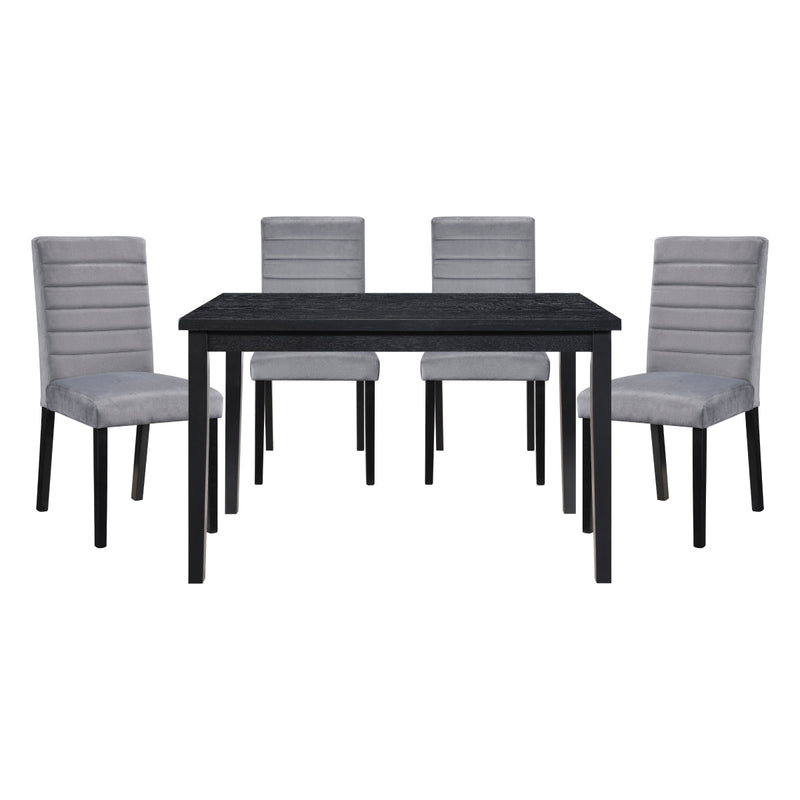
Upgrade your dining space with dining room furniture at Home Style Furniture today and create a welcoming area for everyday meals, family gatherings, and special occasions. Whether you are looking for dining tables, chairs, benches, or complete dining sets, the right furniture helps improve comfort, functionality, and the overall look of your dining room. Designed for both daily use and entertaining, quality dining furniture makes every meal more enjoyable and organized.
Now is the perfect time to refresh your home setup. Get dining room furniture at Home Style Furniture now and create a space where meals, conversations, and memorable moments can be shared with family and friends every day.